


The Ultimate Bucket List: Visiting the 7 Wonders of the World
For many, the concept of a "bucket list" represents a collection of aspirations, experiences, and destinations to be pursued within a lifetime. Among these, visiting the Seven Wonders of the World stands as a prominent and enduring ambition. This article explores the historical context, geographical locations, and practical considerations involved in embarking on such a journey, providing a framework for those contemplating this global odyssey.
Defining the Wonders: A Historical Overview
The designation of "Wonders of the World" has evolved over millennia. Initially, the concept referred to the "Seven Wonders of the Ancient World," a list of remarkable architectural and sculptural achievements documented by ancient Greek historians and travelers. This original list served as a testament to the ingenuity and power of early civilizations. However, all but one of these ancient marvels have succumbed to time and natural forces.
The Ancient Wonders and Their Legacy
The original Seven Wonders, as compiled by figures like Antipater of Sidon and Philo of Byzantium, included:
- The Great Pyramid of Giza: The sole survivor, standing as a monumental tomb for Pharaoh Khufu. Its construction methods remain a subject of debate and awe.
- The Hanging Gardens of Babylon: A legendary terraced garden, its existence is still contested by some historians, though ancient accounts describe its lush beauty.
- The Statue of Zeus at Olympia: A colossal chryselephantine sculpture of the king of the gods, housed in a temple dedicated to Zeus.
- The Temple of Artemis at Ephesus: A grand temple dedicated to the Greek goddess of the hunt, rebuilt multiple times after destruction.
- The Mausoleum at Halicarnassus: A monumental tomb built for Mausolus, a satrap in the Persian Empire, so impressive it gave rise to the word "mausoleum."
- The Colossus of Rhodes: A massive bronze statue of the sun god Helios, striding across the harbor entrance of Rhodes.
- The Lighthouse of Alexandria: A towering lighthouse, guiding ships into the busy port of Alexandria, serving as a beacon of maritime prowess.
While the physical structures of most ancient wonders are lost, their stories and descriptions continue to inspire. They represent milestones in human civilization, showcasing sophisticated engineering, artistic expression, and the ambition of ancient rulers. The concept of identifying monumental achievements, however, remained.
The New Seven Wonders Campaign
In the early 21st century, a global poll initiated by the New7Wonders Foundation sought to establish a contemporary list. This initiative aimed to broaden the scope beyond ancient Western perceptions and include wonders from diverse cultures and eras. The selection process involved millions of votes from around the world, reflecting a global consensus on human architectural and artistic brilliance. The foundation emphasized that these choices were not intended to replace the ancient list but to complement it, offering a modern perspective on global marvels.
The Modern Pantheon: The New Seven Wonders
The New Seven Wonders of the World comprise a collection of iconic structures and natural formations, each a testament to human endeavor or geological grandeur. Visiting these sites offers a kaleidoscope of cultural immersion and historical exploration.
1. The Great Wall of China
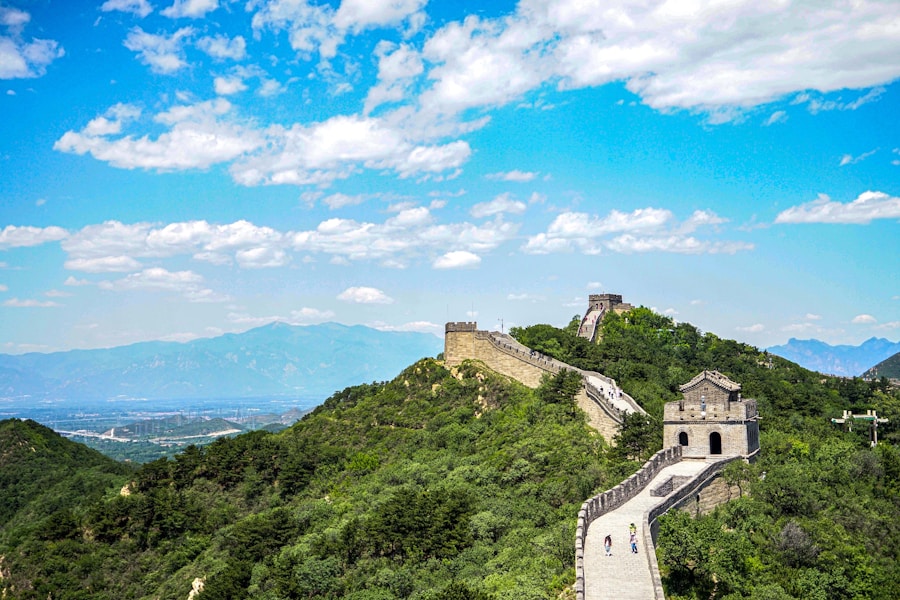
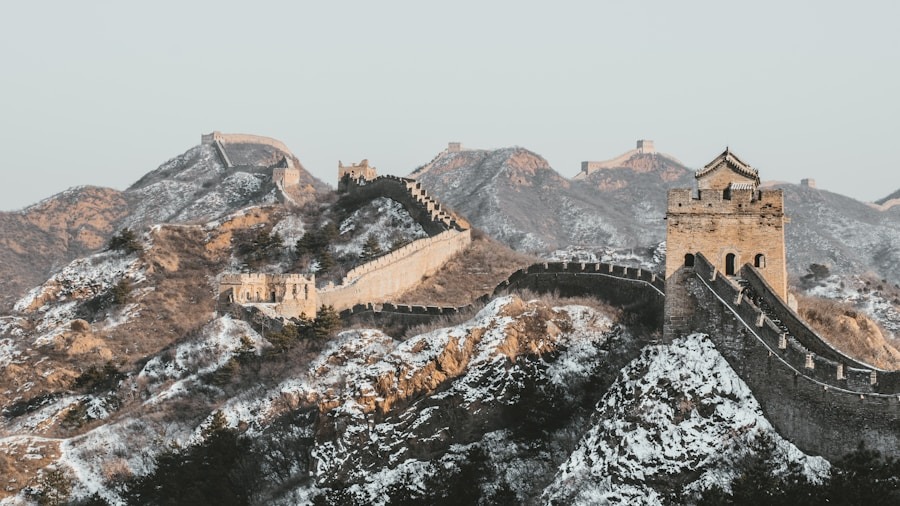
Stretching thousands of kilometers across Northern China, the Great Wall is not a single contiguous structure but a series of fortifications built over centuries by various dynasties. Its primary purpose was to protect against nomadic incursions, acting as a formidable defensive barrier, a dragon's spine across empires.
- Historical Significance: Construction began as early as the 7th century BC, with significant expansions during the Qin and Ming dynasties. It stands as a symbol of Chinese resilience and imperial power.
- Logistical Considerations: Access points vary, with popular sections including Badaling and Mutianyu, offering well-preserved sections and tourist amenities. Planning multiple visits to different sections can offer varied perspectives on its scale and diverse landscape.
2. Petra, Jordan
Carved into sandstone cliffs in southwestern Jordan, Petra is an ancient Nabataean city, famous for its rock-cut architecture and sophisticated water conduit system. Its most iconic structure, Al-Khazneh (The Treasury), reveals itself after navigating a narrow gorge known as the Siq.
- Architectural Marvel: The city's structures, including tombs, temples, and an amphitheater, demonstrate remarkable craftsmanship and an understanding of hydraulics in an arid environment.
- Exploring the Lost City: A full day, or even two, is recommended to explore the vastness of Petra. Comfortable footwear is essential due to the extensive walking involved.
3. Christ the Redeemer, Brazil
Perched atop Corcovado Mountain overlooking Rio de Janeiro, the Art Deco statue of Christ the Redeemer is a global icon and a symbol of Christianity. Its open arms embrace the city, offering a panoramic vista of the vibrant metropolis and its surrounding landscapes.
- Symbolic Representation: Inaugurated in 1931, it was built as a symbol of peace and devotion. Its commanding presence offers a spiritual anchor to the bustling city below.
- Access and Views: Reached by cog railway or van, the summit provides unparalleled views of Sugarloaf Mountain, Copacabana, and Ipanema. Early morning visits can avoid crowds and offer clearer photographic opportunities.
4. Machu Picchu, Peru
A 15th-century Inca citadel nestled high in the Andes Mountains, Machu Picchu is an archaeological enigma. Its precise original purpose remains debated, though it is often considered a royal estate or sacred religious site.
- Inca Engineering: The terraced agricultural fields, sophisticated stone craftsmanship, and integration with the natural landscape highlight the advanced engineering skills of the Inca civilization.
- Trekking and Permits: Access typically involves a train journey from Cusco or a multi-day hike along the Inca Trail (requiring permits booked far in advance). Diligent planning is crucial due to visitor regulations.
5. Chichen Itza, Mexico
A large pre-Columbian archaeological site built by the Maya civilization in the Yucatán Peninsula. El Castillo (the Temple of Kukulcan) is its most striking feature, a step pyramid that served as a calendar.
- Astronomical Alignment: The pyramid's design incorporates astronomical observations, with specific celestial events causing a serpent's shadow to appear on the staircase during equinoxes, showcasing the Maya's advanced understanding of time and the cosmos.
- Cultural Immersion: Beyond El Castillo, the site offers insights into Maya ball courts, observatories, and other ceremonial structures, providing a glimpse into a complex and advanced civilization.
6. The Roman Colosseum, Italy
An elliptical amphitheatre in the center of Rome, the Colosseum is the largest amphitheatre ever built. It was used for gladiatorial contests, public spectacles, mock sea battles, animal hunts, executions, and re-enactments of famous battles.
- Engineering Feat: Constructed around 70-80 AD, its innovative design allowed for efficient management of large crowds and complex spectacles. It stands as a testament to Roman engineering and the scale of their ambitions.
- Historical Echoes: Standing within its ruined walls, one can almost hear the roar of the crowds and the clash of gladiatorial steel, a visceral connection to the past. Pre-booking tickets is highly recommended to avoid extensive queues.
7. The Taj Mahal, India
An ivory-white marble mausoleum on the right bank of the Yamuna River in Agra, the Taj Mahal was commissioned in 1632 by the Mughal emperor Shah Jahan to house the tomb of his beloved wife, Mumtaz Mahal.
- Architectural Synthesis: It is a masterpiece of Mughal architecture, blending elements from Islamic, Persian, Ottoman Turkish, and Indian architectural styles, a poem in marble.
- Symbol of Love: Its symmetrical design, intricate inlay work, and serene beauty make it one of the world's most recognizable monuments, a testament to enduring love and exquisite craftsmanship.
Planning Your Global Itinerary
Embarking on a journey to visit all Seven Wonders requires meticulous planning, a flexible mindset, and an understanding of the logistical challenges involved. This is not a contiguous journey but a series of distinct expeditions.
Budgeting and Financial Considerations
The financial investment for such an undertaking can be substantial. Costs will vary significantly based on factors such as:
- Travel Class: Economy, business, or first-class flights.
- Accommodation: Hostels, mid-range hotels, or luxury resorts.
- Duration of Stay: Extended stays at each location will increase costs for lodging, food, and activities.
- Transportation Within Countries: Domestic flights, trains, taxis, or hired cars.
- Visa Requirements: Some countries may require costly visas, adding to the overall expense.
- Entrance Fees and Guided Tours: These can accumulate, especially at popular attractions.
Creating a detailed budget, line by line, is paramount. Consider setting aside contingency funds for unforeseen circumstances.
Navigating Logistics: Visas, Flights, and Accommodation
The world is a tapestry of regulations and travel requirements.
- Visa Research: Thoroughly investigate visa requirements for each country well in advance. Some processes can be lengthy.
- Flight Bookings: Long-haul international flights are often cheaper when booked several months out. Consider open-jaw tickets or multi-city itineraries to optimize routes.
- Accommodation Choices: Research lodging options that align with your budget and travel style. Proximity to attractions, public transport, and safety are key considerations. Utilizing reputable booking platforms is advised.
- Health and Safety: Consult with your doctor regarding necessary vaccinations and preventative measures for tropical diseases if applicable. Research local safety advisories and cultural norms. Travel insurance is highly recommended as a safety net against medical emergencies, lost luggage, or trip cancellations.
The Experiential Journey: Beyond Just Sightseeing
While the physical act of witnessing these wonders is the primary goal, the true richness of the journey often lies in the ancillary experiences.
Cultural Immersion and Local Engagement
Each Wonder is nestled within a distinct cultural landscape. Engaging with the local environment extends beyond observing the monument itself.
- Local Cuisine: Taste regional dishes, visit local markets, and explore the gastronomic identity of each destination. Food is an integral part of culture.
- Interacting with Locals: Seek opportunities to converse with residents, learn about their daily lives, and gain a deeper understanding of their perspective.
- Local Customs and Etiquette: Respect local traditions, dress codes, and social norms. A little research beforehand can prevent misunderstandings and enhance your experience.
Personal Reflections and Lasting Impressions
Visiting these sites is more than a checklist; it's an opportunity for profound personal reflection.
- Contemplating History: Stand before structures that have witnessed centuries, even millennia, of human history. Consider the lives lived, the empires risen and fallen, and the enduring human spirit that brought these marvels into being.
- Perspective Shift: Experiencing diverse cultures and monumental achievements can broaden one's perspective on humanity's capabilities and the world's vastness. These journeys can act as a mirror, reflecting insights about oneself.
- Creating Memories: The photographs and souvenirs are tangible reminders, but the true treasure lies in the indelible memories and the stories you will gather. These experiences will become anchors in your personal narrative.
The pursuit of visiting the Seven Wonders of the World is an undertaking of significant scale, requiring dedication, planning, and an open mind. However, the opportunity to stand before these architectural giants and cultural beacons offers a rare and potent connection to human history and ingenuity. It is a journey that will undoubtedly leave an impression, expanding horizons and enriching understanding.